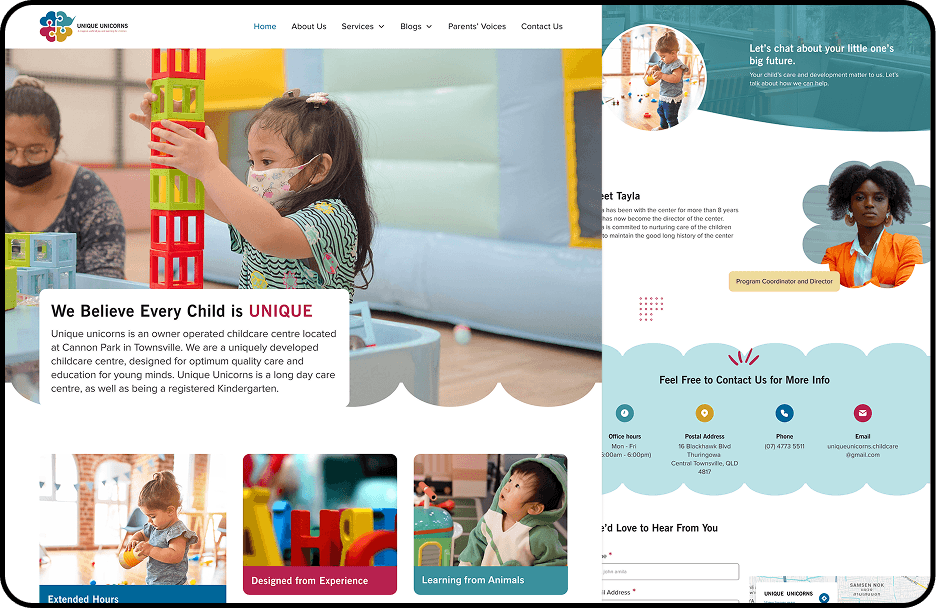
Unique Unicorns
A visual refresh, metaphor-driven design, and a complete restructure of the information architecture turned a confusing first impression into a 56% increase in weekly engagement within three months.
TIMELINE
4 weeks
PLATFORM
Website
INDUSTRY
Education
TOOLS
FIgma
TEAM
Developer, UX/UI Designer
How I approach
Before touching a single frame in Figma, I spent time deeply reading through the existing website: understanding what the centre stood for, what it offered, and what it was trying to communicate to parents.
From there, I surfaced information that was buried in documents and never made it online: pricing, enrollment details, handbook summaries, and brought it into the open, where parents could actually find it.
Then I reorganized everything: restructuring the content hierarchy, clarifying navigation, and building a set of unique visual elements that represent the centre's identity rather than borrowing from a generic childcare template.
Overview
A childcare centre with real warmth, but a website that didn't show it.
Unique Unicorns is a long-day care centre in Townsville, Australia, known for its nurturing environment and strong community ties. The website, however, told a different story: dense text, missing content, and no clear path for parents trying to find what they needed.
The redesign focused on two things: making the site feel as warm as the centre itself, and making information genuinely easy to find.
Measurable Metric
56% more weekly engagement in 3 months, and parents staying longer once they arrived.
Three months after launch, weekly engagement had increased by 56%. Session durations grew and drop-off rates fell, meaning parents were not only finding the site, but finding what they needed when they got there.
The combination of clearer information architecture, warmer visual identity, and more human language turned a website that was losing parents into one that was building their confidence before they ever called.
Key Issues
Parents couldn't find what they needed, hard to navigate and harder to trust.
The original site had two compounding problems.
First, key information: pricing, enrollment forms, and staff profiles were either missing or buried in walls of text.
Second, the visual experience felt cold and generic, completely disconnected from the warm, playful environment parents would find when they actually walked through the door.
First impressions were failing before a single visit was booked.
Solution Approaches
Two parallel tracks: make it feel right, then make it work right.
The redesign ran on two tracks simultaneously.
Visually, the goal was to bring the site's personality in line with the actual centre: warm, playful, and distinctive.
Structurally, the goal was to eliminate every moment where a parent had to hunt for something they needed.
Both tracks pointed to the same outcome: a site that builds trust from the first scroll.
Metaphor Elements
The logo shape became a design language.
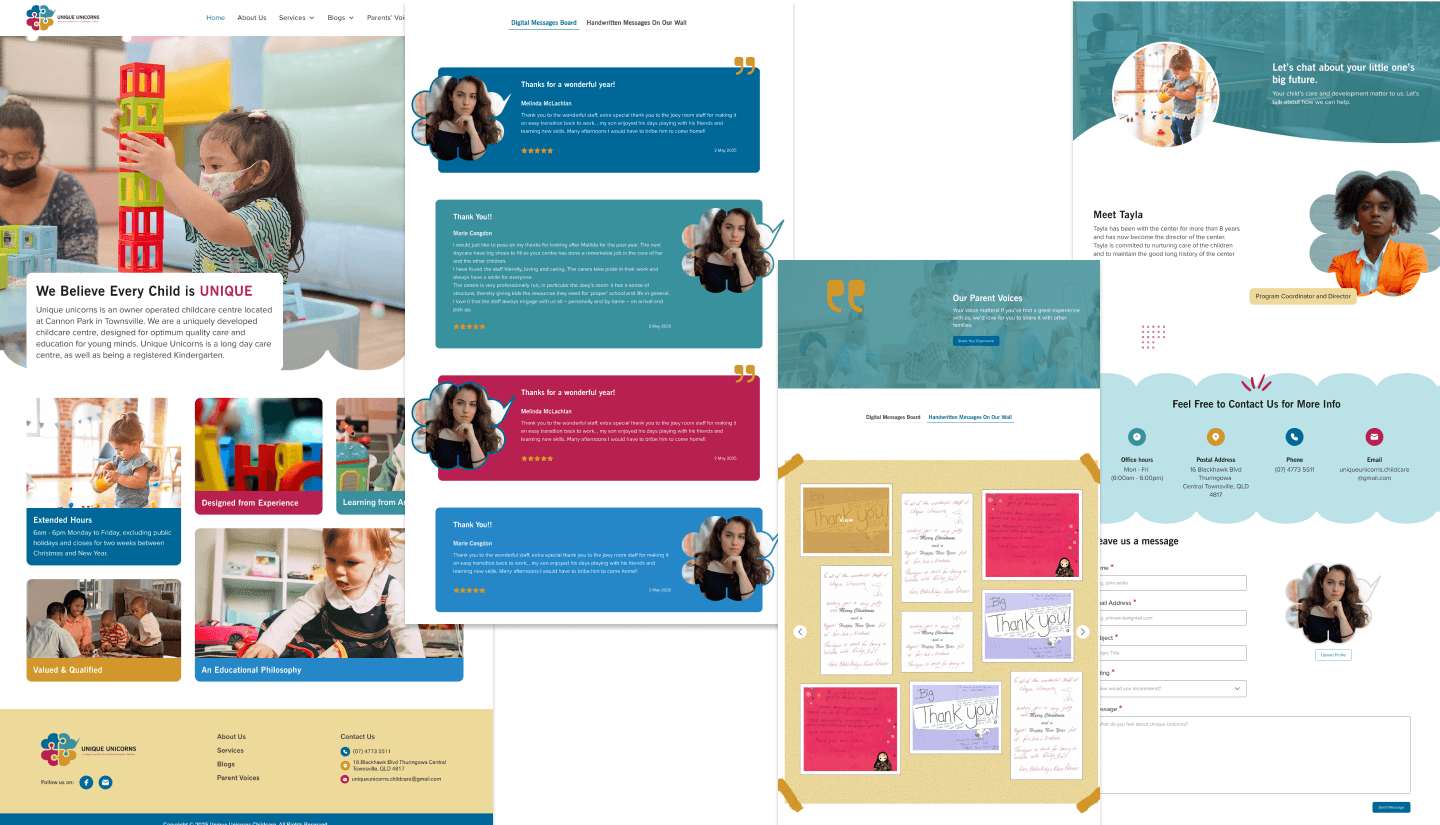
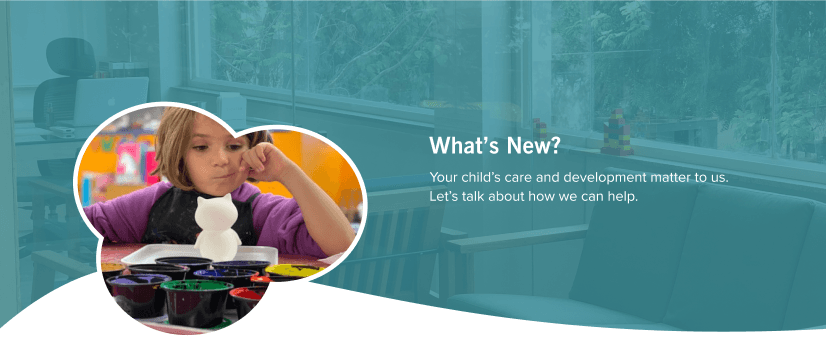
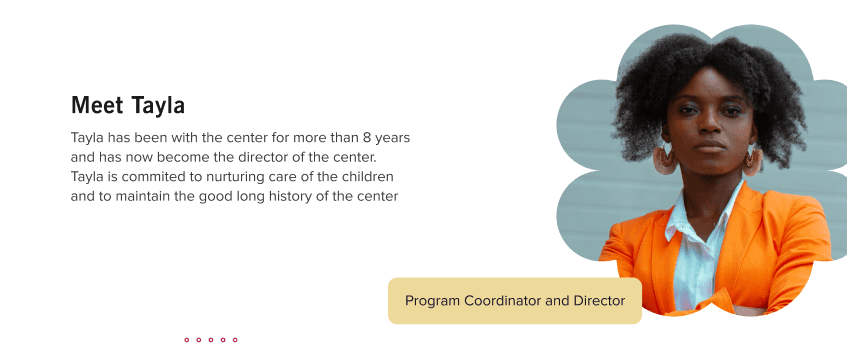
The brand logo shape became a recurring visual element across the entire site appearing in
staff profile frames,
parent testimonials,
blog imagery, and
contact pages.
It does more than decorate: it makes every section instantly recognizable as Unique Unicorns, reinforcing brand identity without needing to repeat the name.


Testimonial Board
Testimonials that feel like they came from real parents, not a review platform.
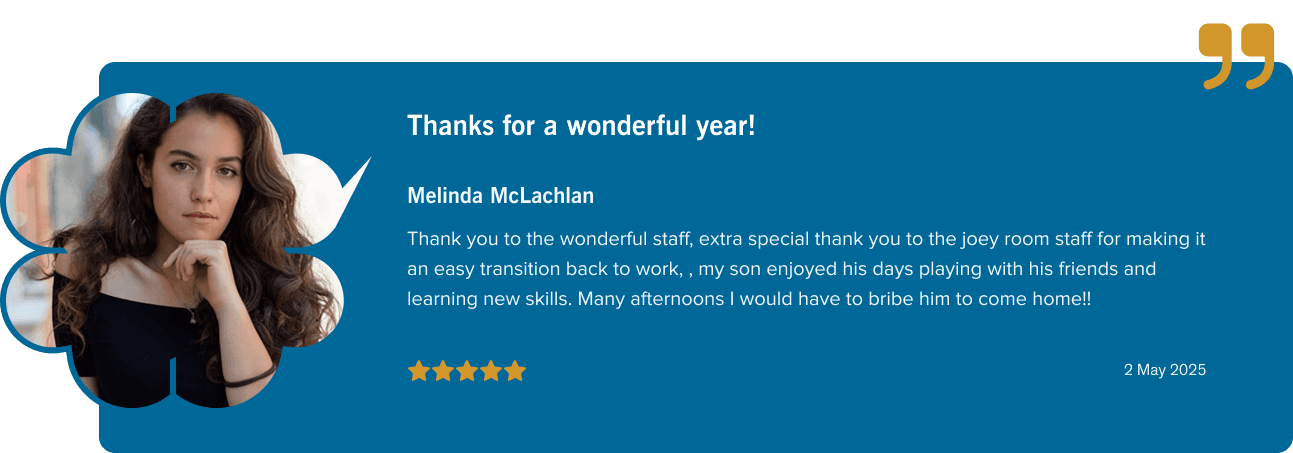
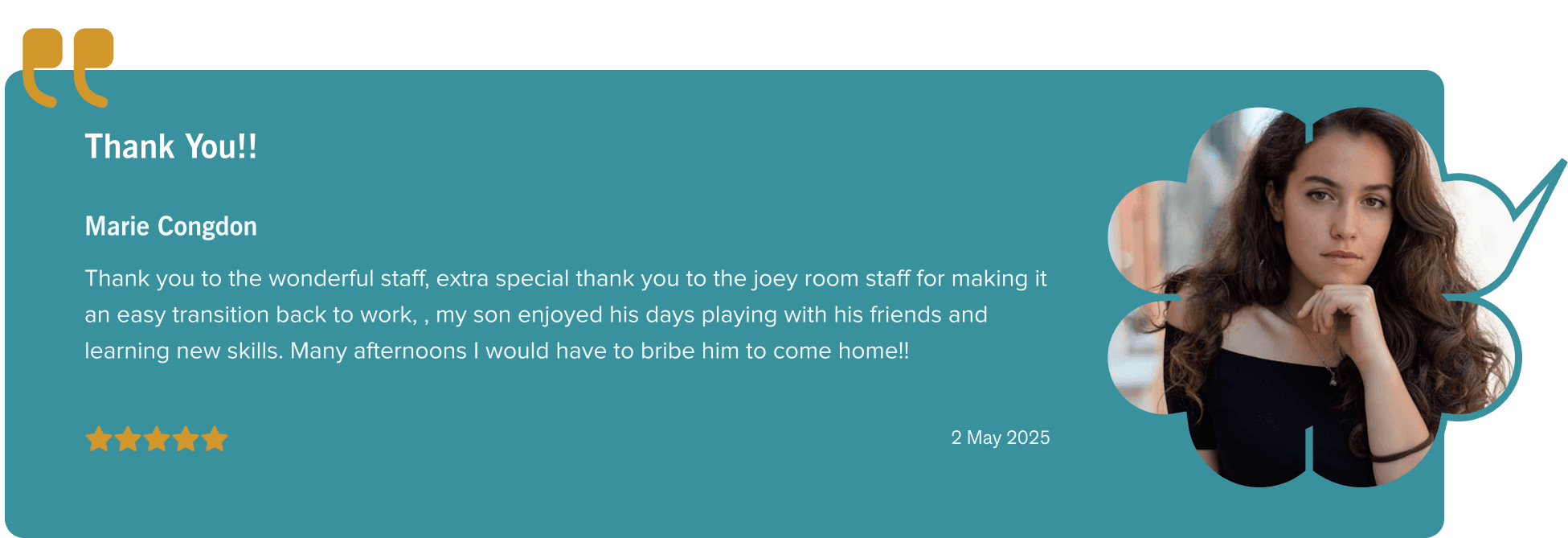
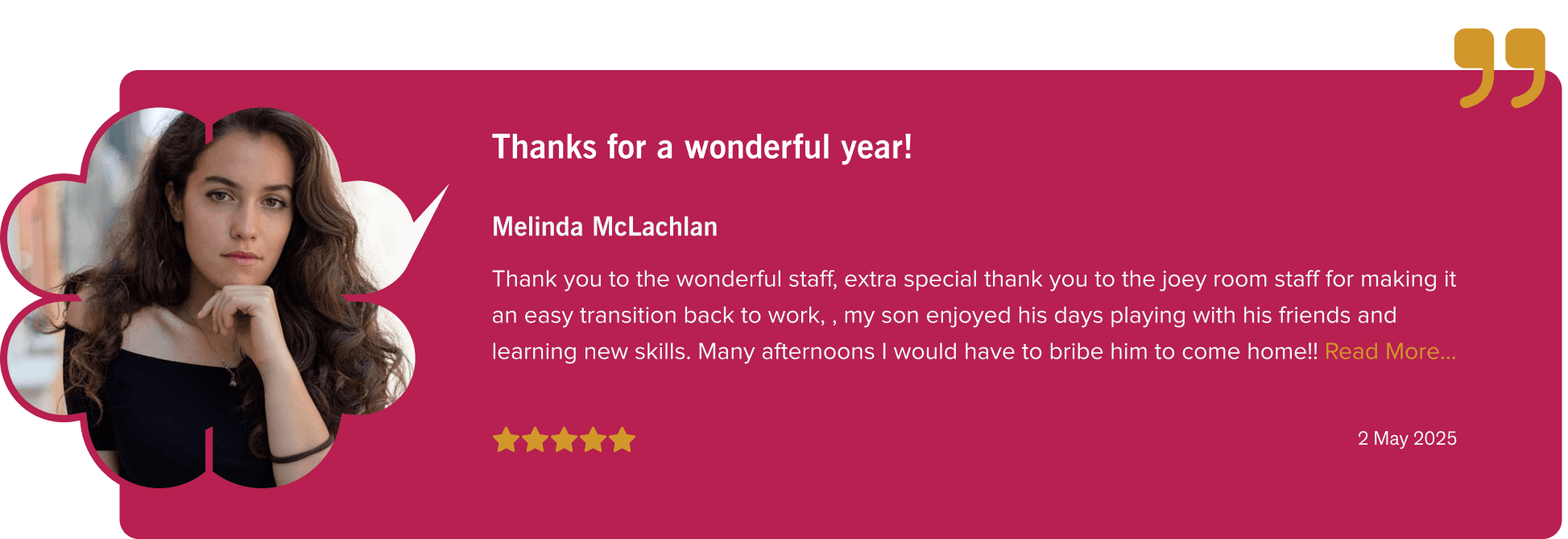
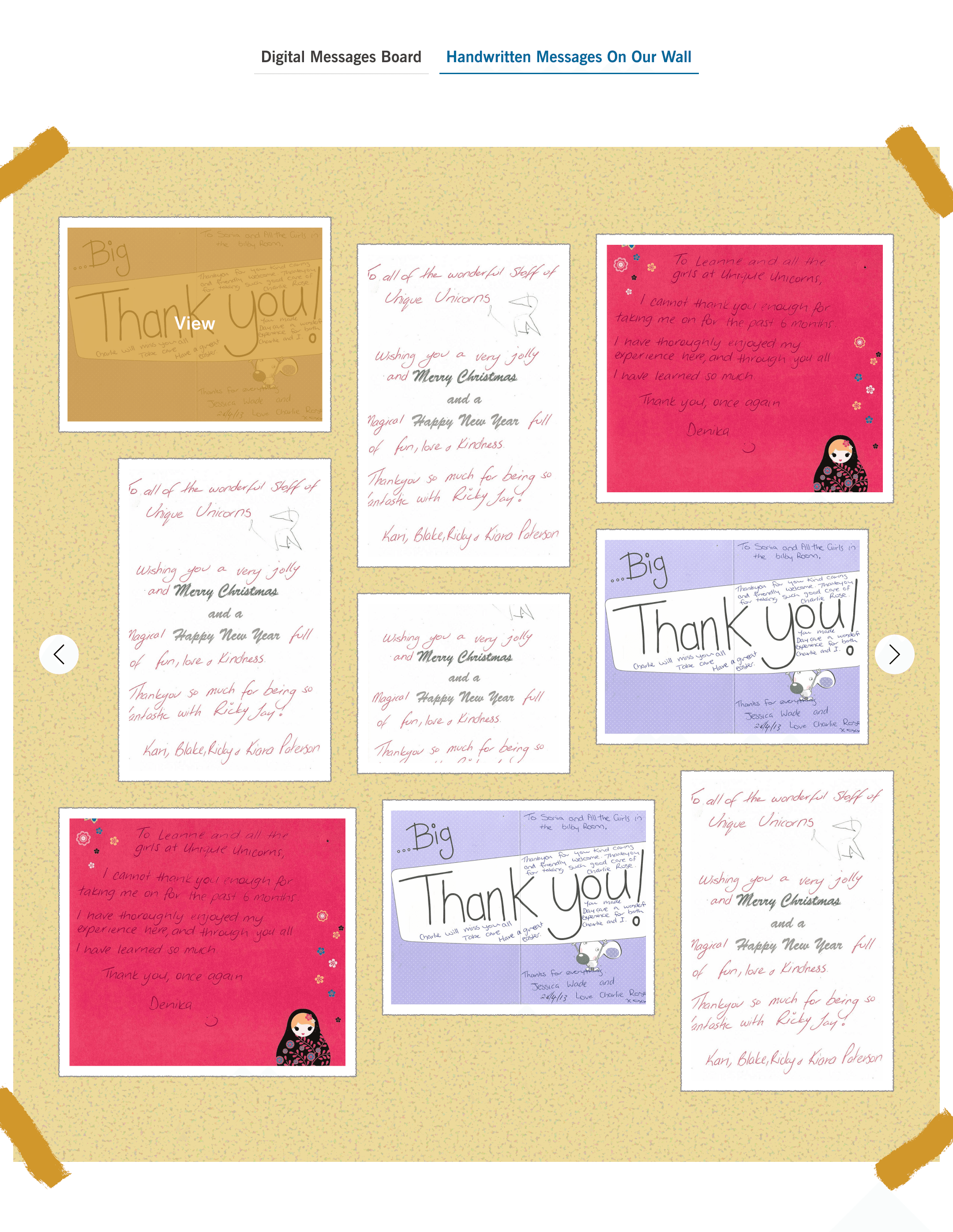
The original testimonials section was forgettable. The redesign replaced it with two distinct treatments that together create warmth and credibility.
Vibrant digital cards make reviews easy to scan and visually engaging.


A wooden-style noticeboard mimicking the physical notice boards found in real childcare centres, brings handwritten testimonials to life online.
Information Architecture
Every navigation decision was made by asking: what is a parent actually looking for right now?
The information architecture was restructured around how parents actually use the site, not how the content had historically been organized.
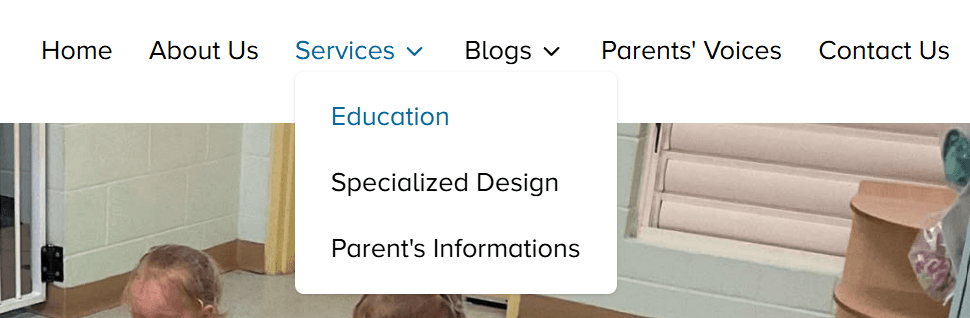
Education services, grouped where they belong.
Scattered service pages were consolidated into a single dropdown menu, so parents browsing programs don't have to jump between unrelated sections to piece together a full picture.
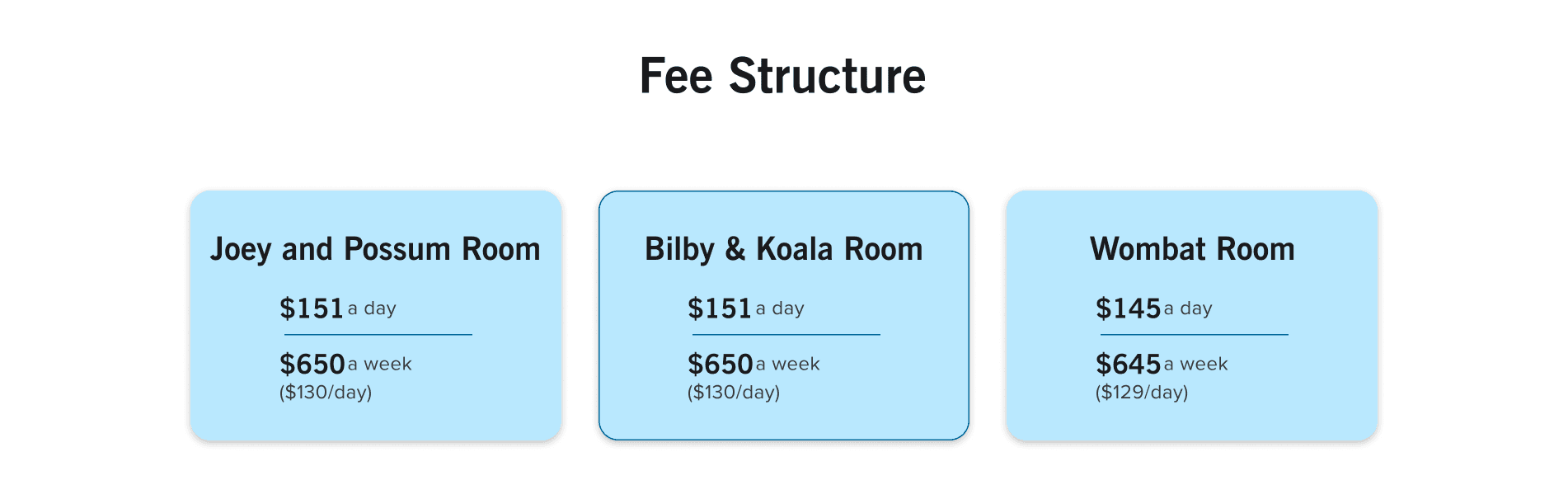
Pricing shown where the question gets asked.
Enrollment costs are now displayed directly under each relevant service, not hidden in a separate fees page. Transparent pricing, as parents expect to find it, removes one of the biggest reasons they leave without contacting the centre.
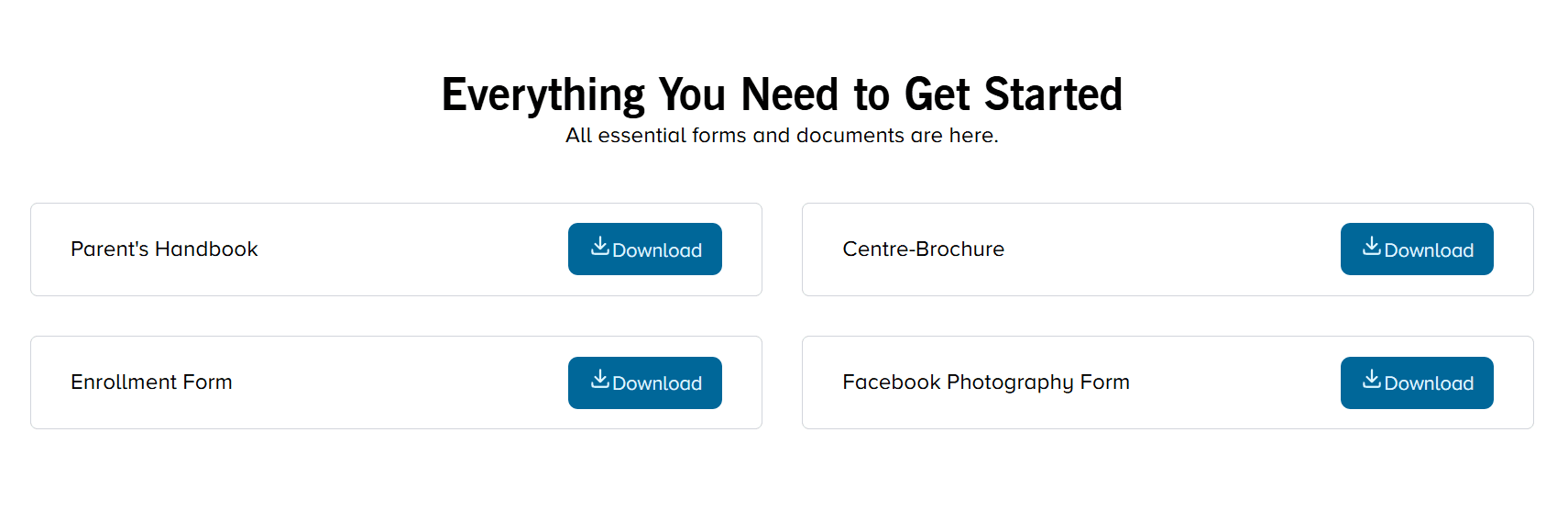
All downloadable forms in one place.
The Enrollment Form, Photography Consent, and Centre Brochure are all placed into a dedicated resources area, no more hunting through multiple pages for a single document.
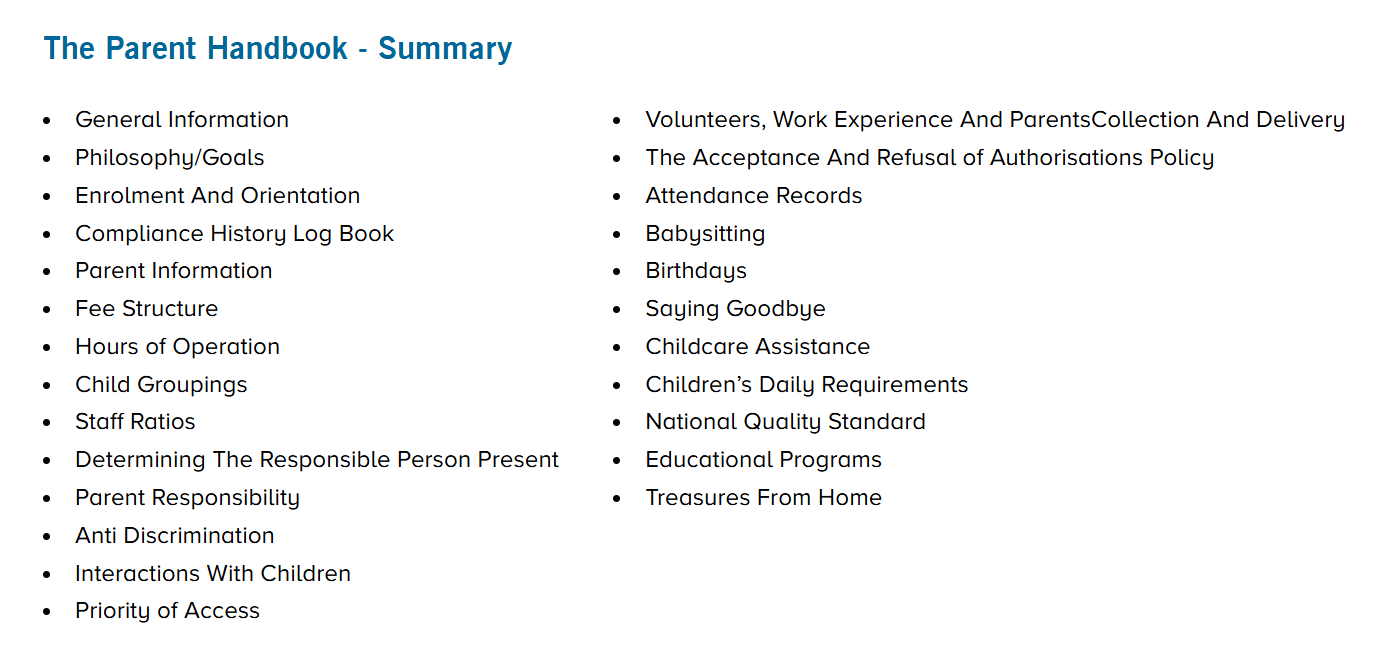
A handbook overview that actually helps.
An at-a-glance summary was added to the Parent Handbook page so parents can quickly understand what's covered before deciding whether to download the full document.
UX Writing
One word change. A completely different feeling.
Renaming "Reviews" to "Parents' Voices" is a small edit with a real effect.
"Reviews" feels transactional, like the language of Google ratings and star scores.
"Parents' Voices" feels communal and warm, giving the vibe of the language of a school that genuinely listens.
For a childcare centre where trust is everything, that distinction matters more than it might seem.

UX Writing
From scattered snapshots to a story parents can actually follow.
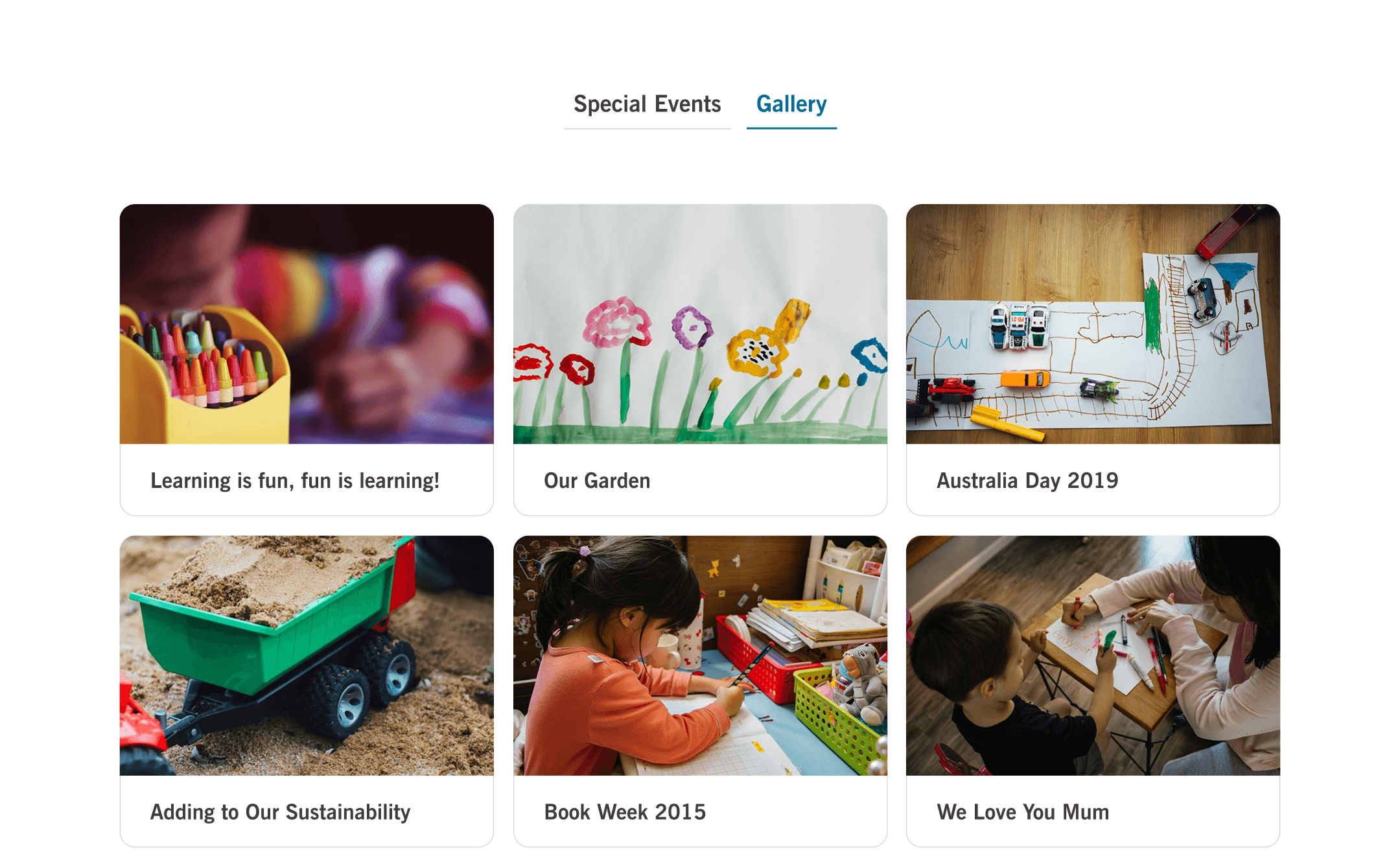
The original photo gallery was an unorganized collection that made it hard to understand what life at the centre actually looked like day to day.
The redesign separates images into two clear sections: events and activities so parents can quickly find what they're looking for and get a genuine sense of what their child's experience there would be.

Typography
Typefaces chosen to balance trust with warmth.
Using NewsGoth BT and ProximaNova together, they hold the dual tone the brand needs: serious enough to earn trust, warm enough to feel welcoming.
(Primary Font)
NewsGoth BT carries the professional weight. Its structured geometry signals clarity and credibility, appropriate for a centre parents are trusting with their children.
(Secondary Font)
Proxima Nova softens that structure in body copy and supporting text, bringing approachability and readability to the experience.
Colors
Colors that feel like a classroom full of possibility.
The primary palette leads with ocean blues and teal, giving calm, trustworthy, and professional anchored by a warm rose and a golden amber that bring energy and playfulness.
The combination avoids the overly saccharine pastel trap many childcare brands fall into, landing instead on something that feels both inviting and credible. Vibrant enough to delight, and grounded enough to reassure.
Primary Colors
Secondary Colors
Takeaways
What this project taught me about designing for trust.
Childcare is one of the highest-stakes decisions a parent makes. Every design choice, the words in the menu, the placement of pricing, the warmth of an image frame, either builds or erodes that trust. This project sharpened how I think about all of it.
A repeated shape becomes a brand mark.
Starting with the logo shape and applying it consistently across profiles, testimonials, and imagery turned a single brand element into a recognizable visual language. By the end, any section of the site felt unmistakably like Unique Unicorns, without the name needing to appear at all.
Playful and professional aren't opposites.
Designing for a childcare centre means holding two tones at once. Too playful and it feels unserious: parents won't trust it with their child's education. Too professional and it feels cold: parents won't feel welcomed by it. Finding that balance was the central design challenge of the entire project.
The right words do work that visuals can't.
Changing "Reviews" to "Parents' Voices" took seconds to implement. The effect, a warmer, more personal section that felt like genuine community rather than a rating system, took the whole project into account. UX writing isn't a finishing touch; it's a design material.
Structure is as important as style.
The visual refresh alone wouldn't have moved the needle. Parents were leaving because they couldn't find what they needed. Fixing the information architecture was what actually reduced drop-offs. Beautiful and functional aren't a tradeoff; they're both required.